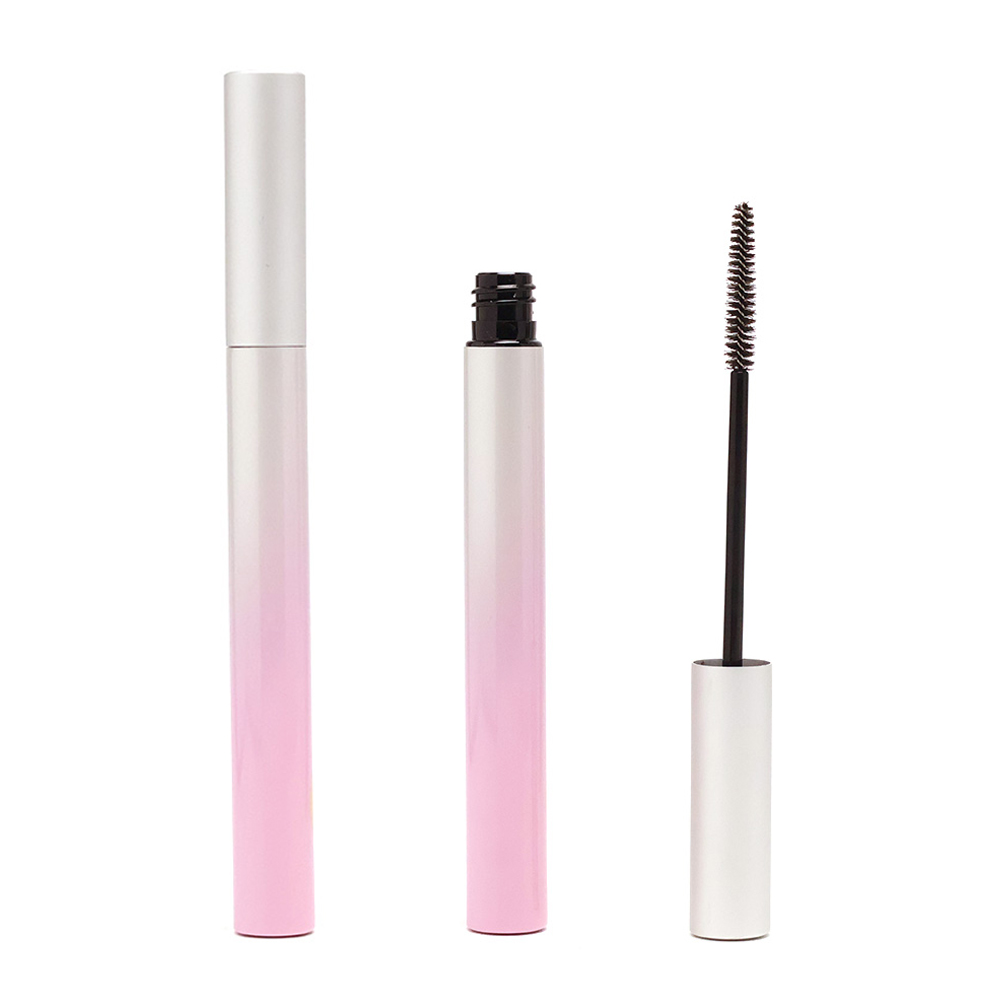
In recent years, sustainability has become a major focus in cosmetic packaging. Many brands are shifting toward aluminum mascara tubes, often promoted as an eco-friendly alternative to plastic.
But is aluminum packaging truly more sustainable?
The answer is not as simple as it seems. While aluminum offers clear environmental advantages, it also comes with trade-offs that brands should carefully consider.
Why Aluminum Mascara Packaging Is Considered Sustainable?
Aluminum is often promoted as a sustainable packaging material in the beauty industry.
✔ Infinitely Recyclable
Aluminum can be recycled repeatedly without losing its quality, making it one of the most recyclable materials available.
✔ High Recycling Value
In markets like Europe and North America, aluminum has a well-established recycling system and strong material value, increasing the likelihood of reuse.
✔ Premium & Durable
Aluminum mascara tubes are resistant to deformation and damage, helping extend product lifespan and reduce waste.
The Hidden Environmental Costs of Aluminum Packaging
Despite its advantages, aluminum is not without environmental impact.
⚠️ Energy-Intensive Production
Producing aluminum from raw materials requires significant energy, leading to a higher initial carbon footprint.
⚠️ Transportation Impact
Aluminum packaging is typically heavier than plastic, which may increase transportation emissions.
⚠️ Higher Cost
Aluminum is more expensive, making it less suitable for certain product categories.
Environmental Considerations in Aluminum Anodizing
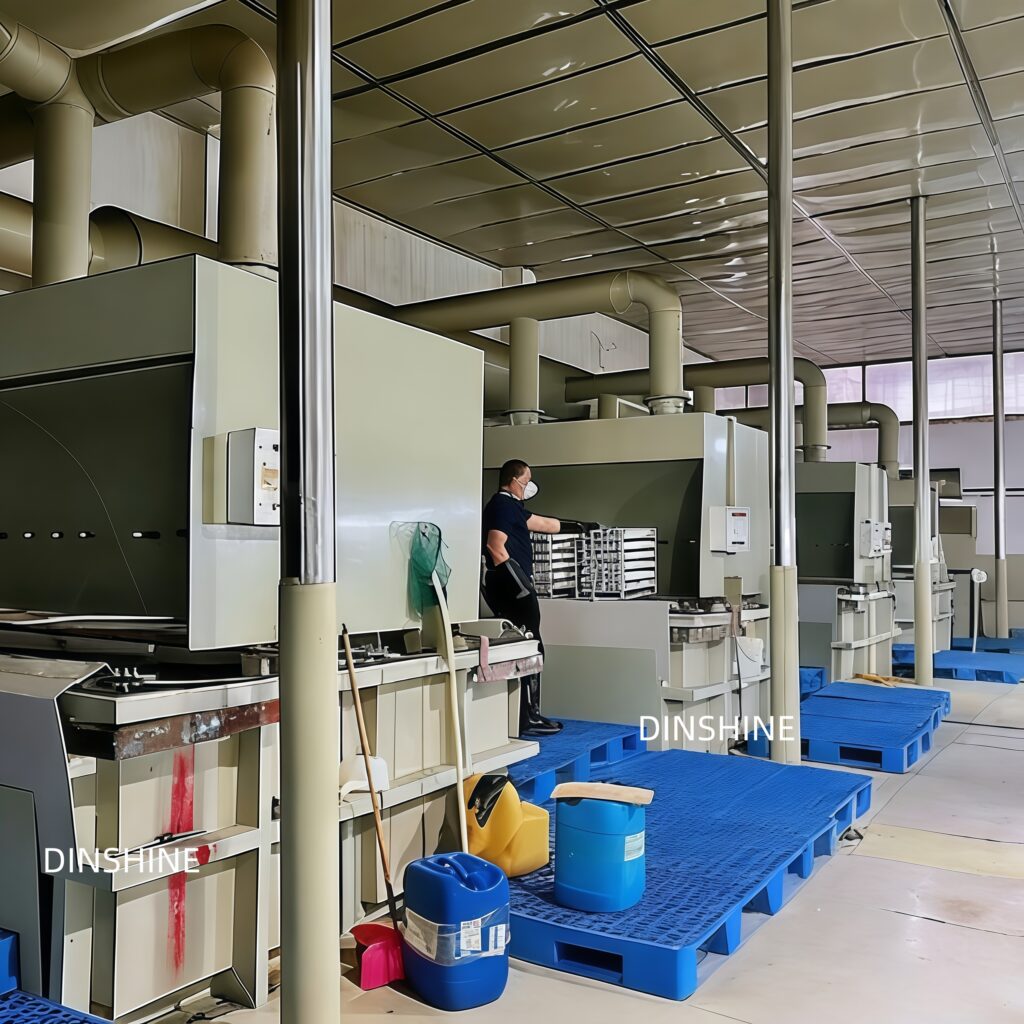
While aluminum itself is recyclable, its surface treatment process is also an important part of sustainability.
Anodizing is widely used for aluminum mascara tubes to improve durability, corrosion resistance, and appearance. However, this process involves chemical reactions that generate wastewater and exhaust emissions.
Proper treatment of these byproducts requires dedicated environmental protection systems. Responsible manufacturers invest in wastewater treatment and air filtration equipment to ensure compliance with environmental regulations.
This is an often-overlooked aspect when evaluating the sustainability of aluminum packaging.
At our facility, anodizing processes are supported by specialized treatment systems, allowing us to manage emissions and wastewater in accordance with environmental standards.
Aluminum vs Plastic Mascara Tubes: A Practical Comparison
When comparing aluminum and plastic mascara packaging, the answer is not absolute.
Aluminum Mascara Tubes
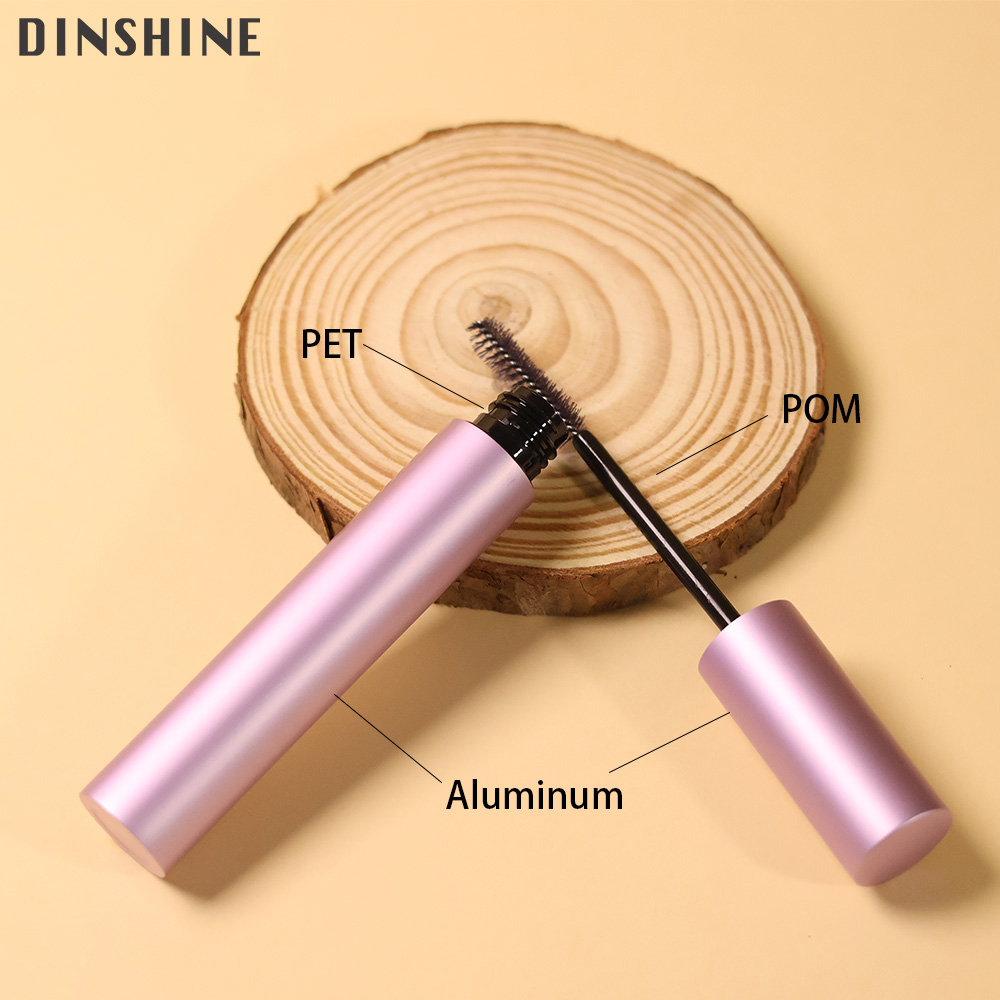
- Highly recyclable
- Premium positioning
- Strong sustainability perception
Plastic Mascara Tubes (ABS / AS)
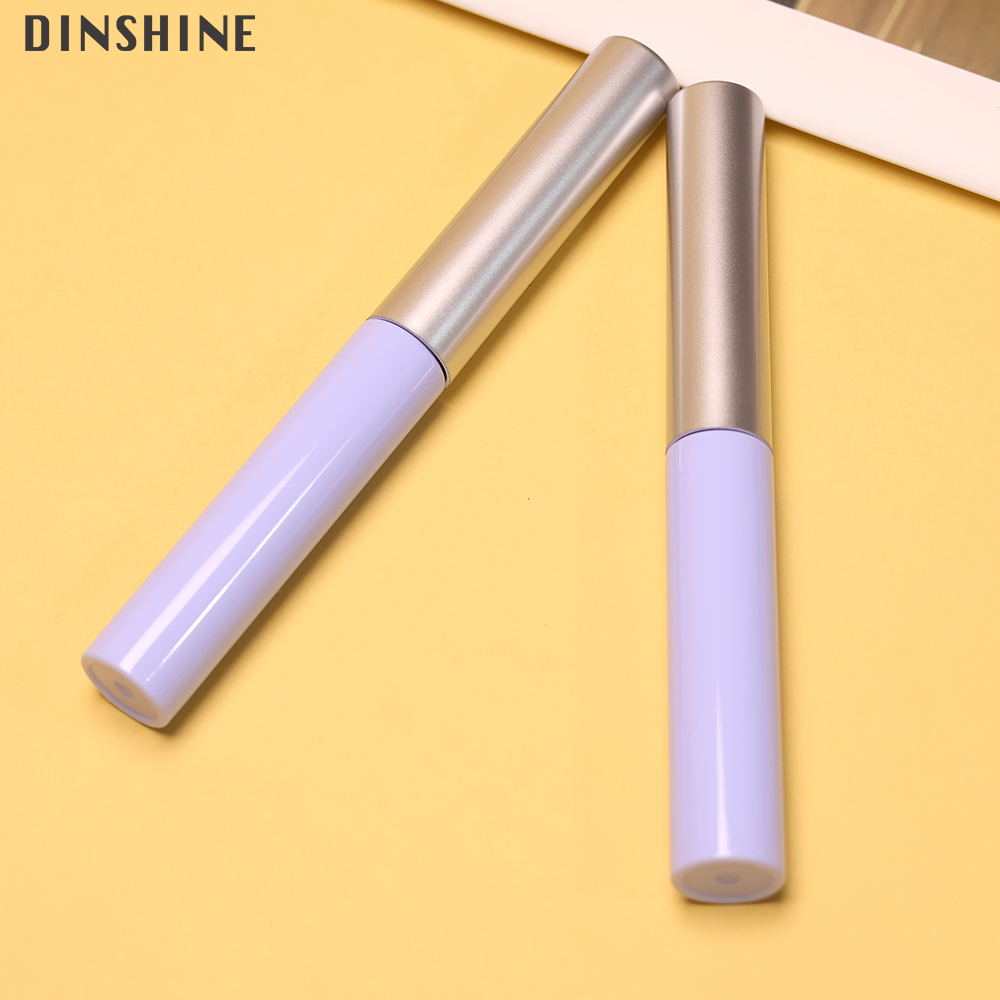
- Lower production energy
- Cost-effective
- Widely used in the industry
However, recycling rates are lower in practice, and regulatory pressure is increasing in many regions.
PETG & PP & PET Alternatives
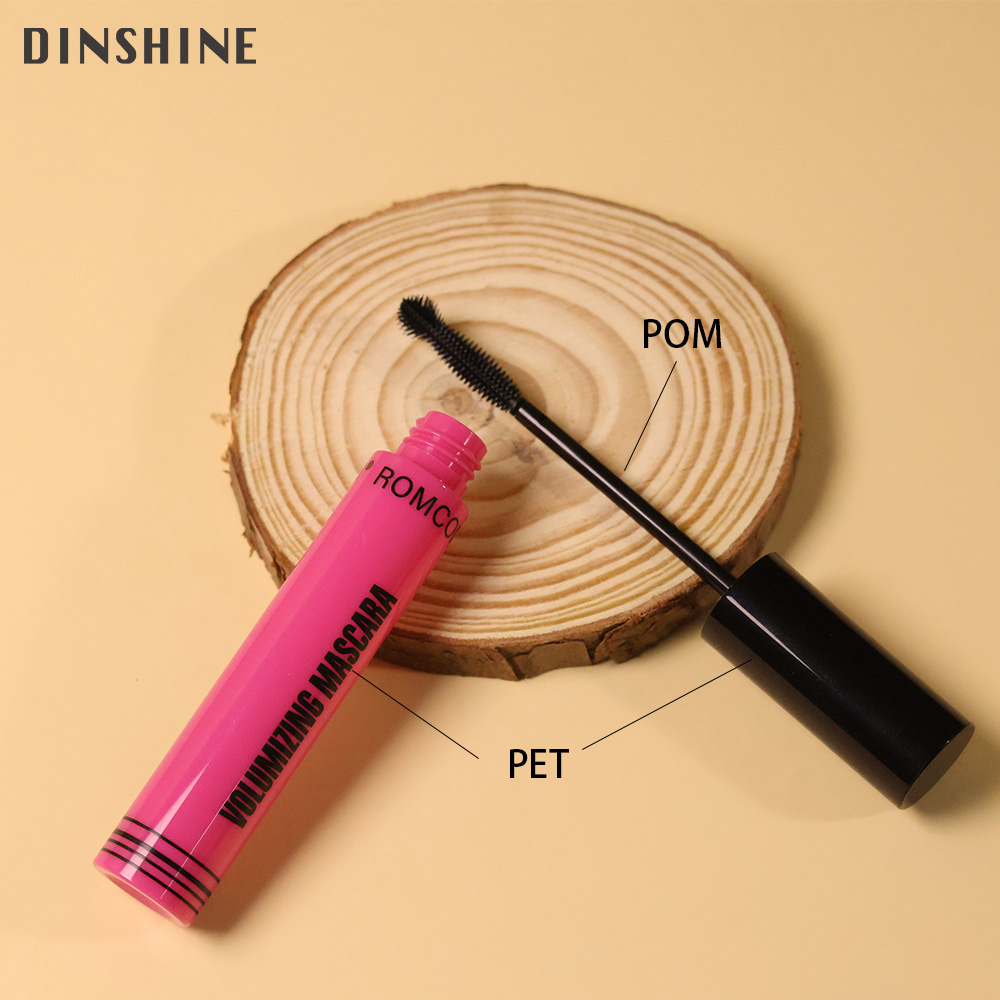
Materials like PETG, PET and PP are gaining attention due to global plastic reduction policies.
- Suitable for reducing reliance on ABS/AS
- Can support recyclable packaging strategies
However, PETG often requires thicker walls and has lower stability in production, which limits its widespread use.
Sustainability Is Not Just About Material
Choosing sustainable mascara packaging is not only about aluminum vs plastic.
Other factors also matter:
- Packaging structure design mascara brush compatibility
- Product compatibility
- Durability and user experience
- Reducing unnecessary components
👉 A well-designed packaging system can reduce waste regardless of material.
How to Choose the Right Mascara Packaging for Your Brand?
Instead of asking “Which material is more sustainable?”, brands should consider:
👉 Product positioning
👉 Target market
👉 Cost structure
👉 Sustainability goals
For example:
- Premium brands → aluminum for luxury feel
- Mass-market → ABS/AS for cost efficiency
- Eco-focused lines → PP / PETG/PET as alternatives
Conclusion
Aluminum mascara packaging is a strong option for sustainability—but it is not a perfect solution.
The most sustainable choice depends on balancing material, design, production process, and product performance.
Understanding these factors helps brands make better decisions and develop packaging that aligns with both environmental goals and market needs.